ANNUAL IMPACT REPORT 2025
Circularity for clean oceans
We intercept river plastic and turn discarded, low-value plastic into construction board across the Philippines, Indonesia, India, and Ghana.
6.4 M kg
waste recovered, all years
22
sites in 5 countries
12,150+
recycled boards produced
CLEAN, RECYCLE, PROTECT.
Founder message
Together we build circular solutions for clean rivers and oceans
Since RiverRecycle began, the mission has been direct: stop plastic before it reaches the ocean, and build durable value where the waste is collected.
What started as river cleanup is now an integrated circular system: collect, recycle, manufacture. Over the past year, we widened our footprint across Asia and Africa, strengthened local collection, and scaled recycled-board production.
The model shows that environmental action and local economic development run together: environmentally effective, commercially viable, and locally owned.
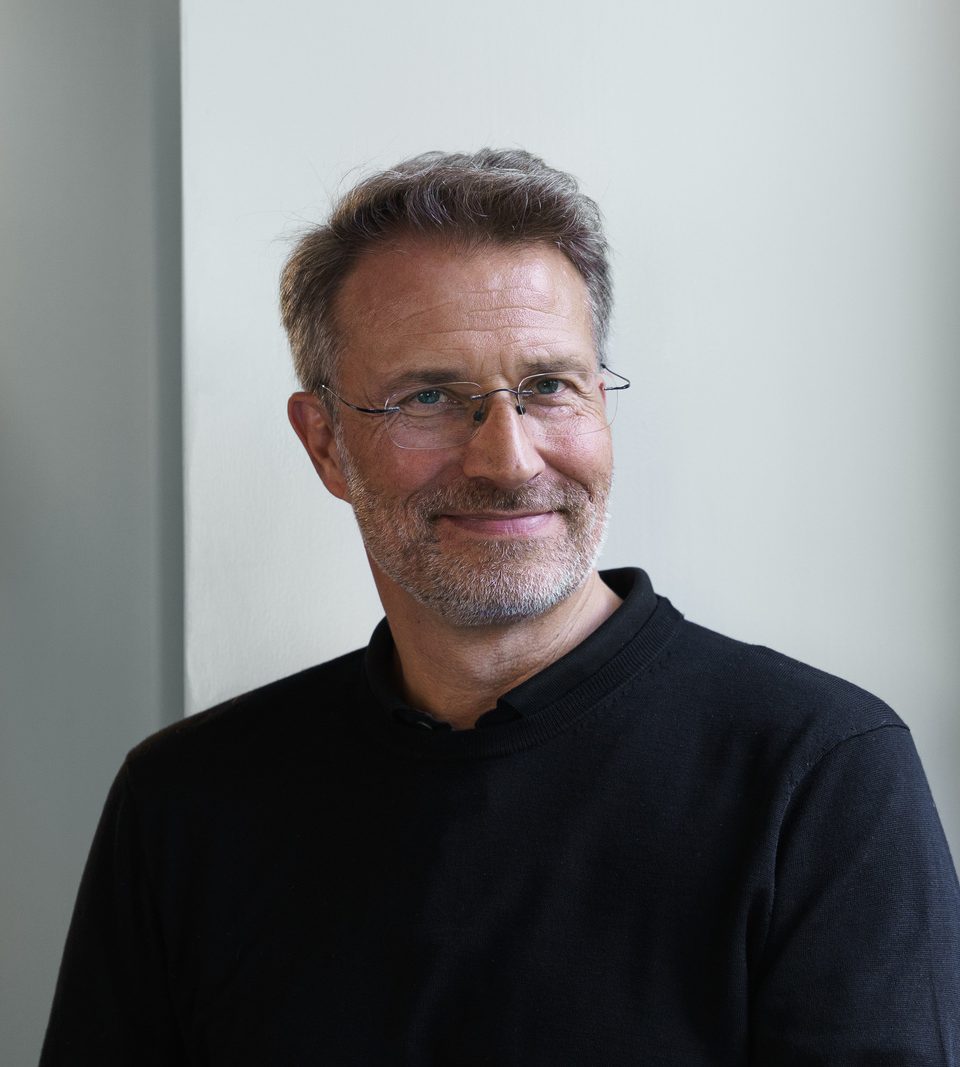
Anssi MikolaFounder and CEO, RiverRecycle

The challenge
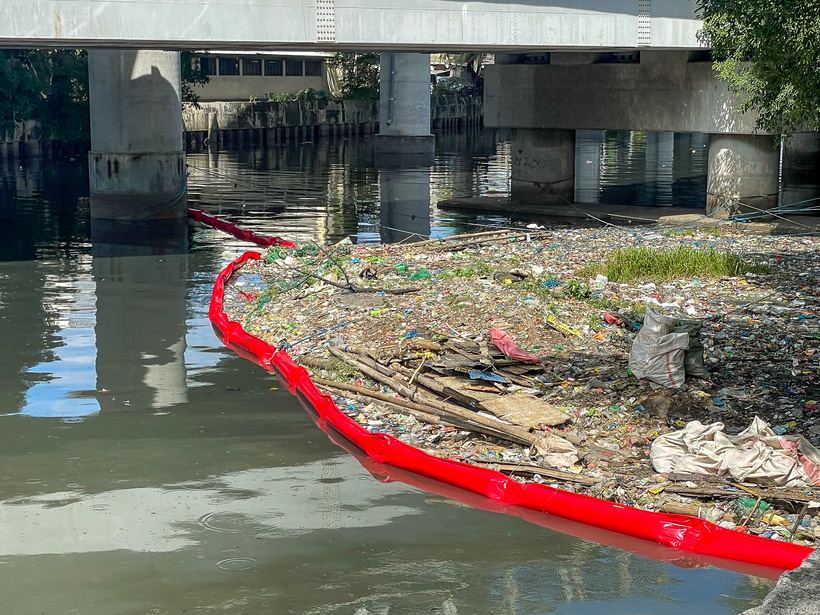
Rivers carry the plastic to the sea
Every year, millions of tonnes of plastic leak into rivers and oceans. Where waste management cannot keep pace, low-value plastic accumulates in waterways, coastlines, and drainage, exactly where collection and recycling infrastructure is missing.
About 80% of global riverine plastic emissions are carried by roughly 1,000 rivers.
Solving this takes more than cleanup. It needs integrated circular systems that prevent leakage, recover material, and create local value.
Our solution
One integrated circular system
We intercept plastic before it reaches rivers and oceans, then keep the material in productive use.
-
Collection
River and land-based interception with local communities
-
Material recovery
Sorting and recovery of recyclable plastics
-
Recycling
Localized processing of low-value plastic
-
RiverRecycle Boards
Durable panels for construction and furniture
From plastic waste to construction board
Low-value plastic is sorted, processed, and transformed into boards, infrastructure components, and construction applications. Each commercial product funds more collection.
- Patented process
- Recycled feedstock
- Verified to spec
- Modular and scalable
How it works
Three steps to impact
-
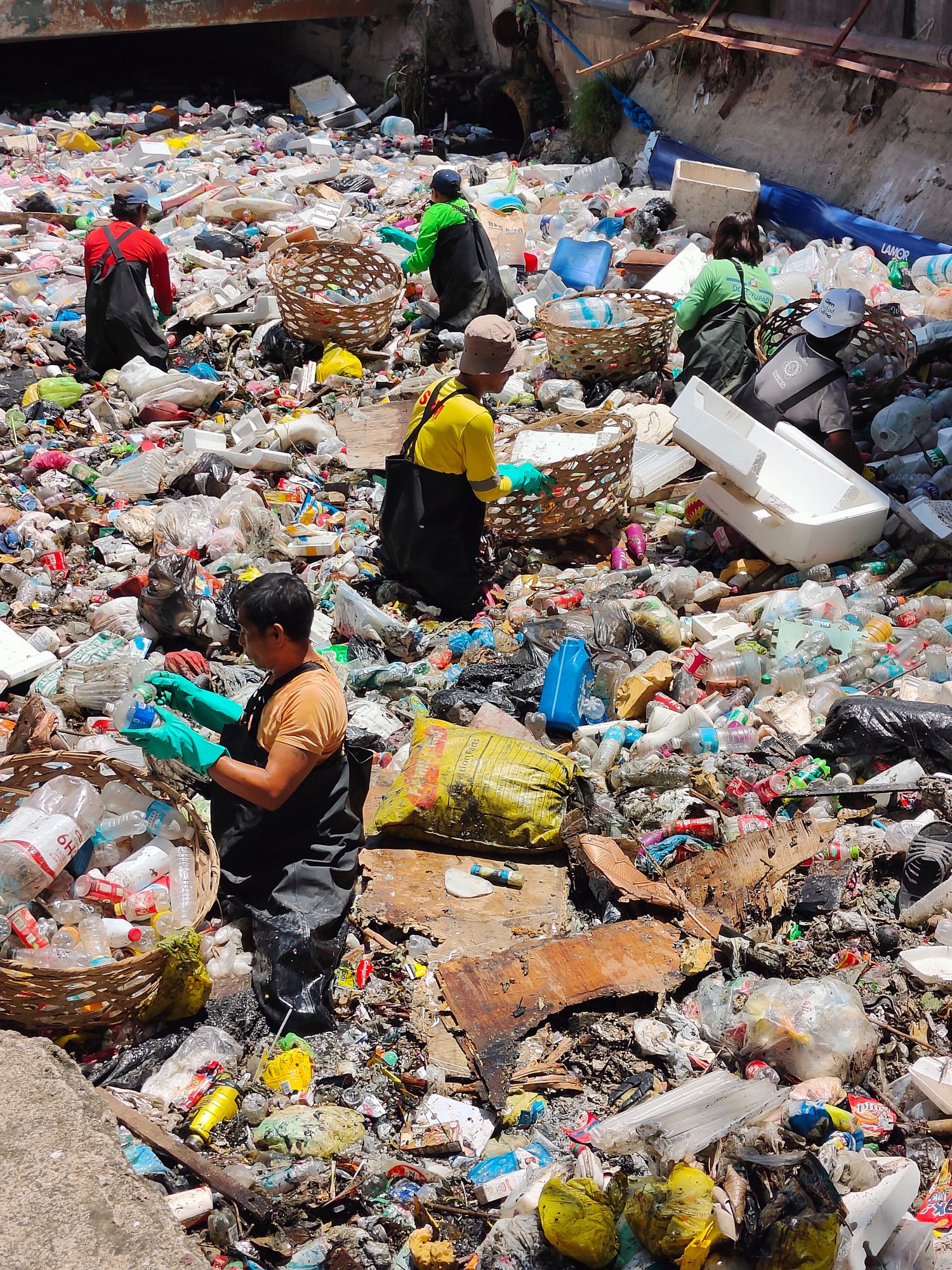
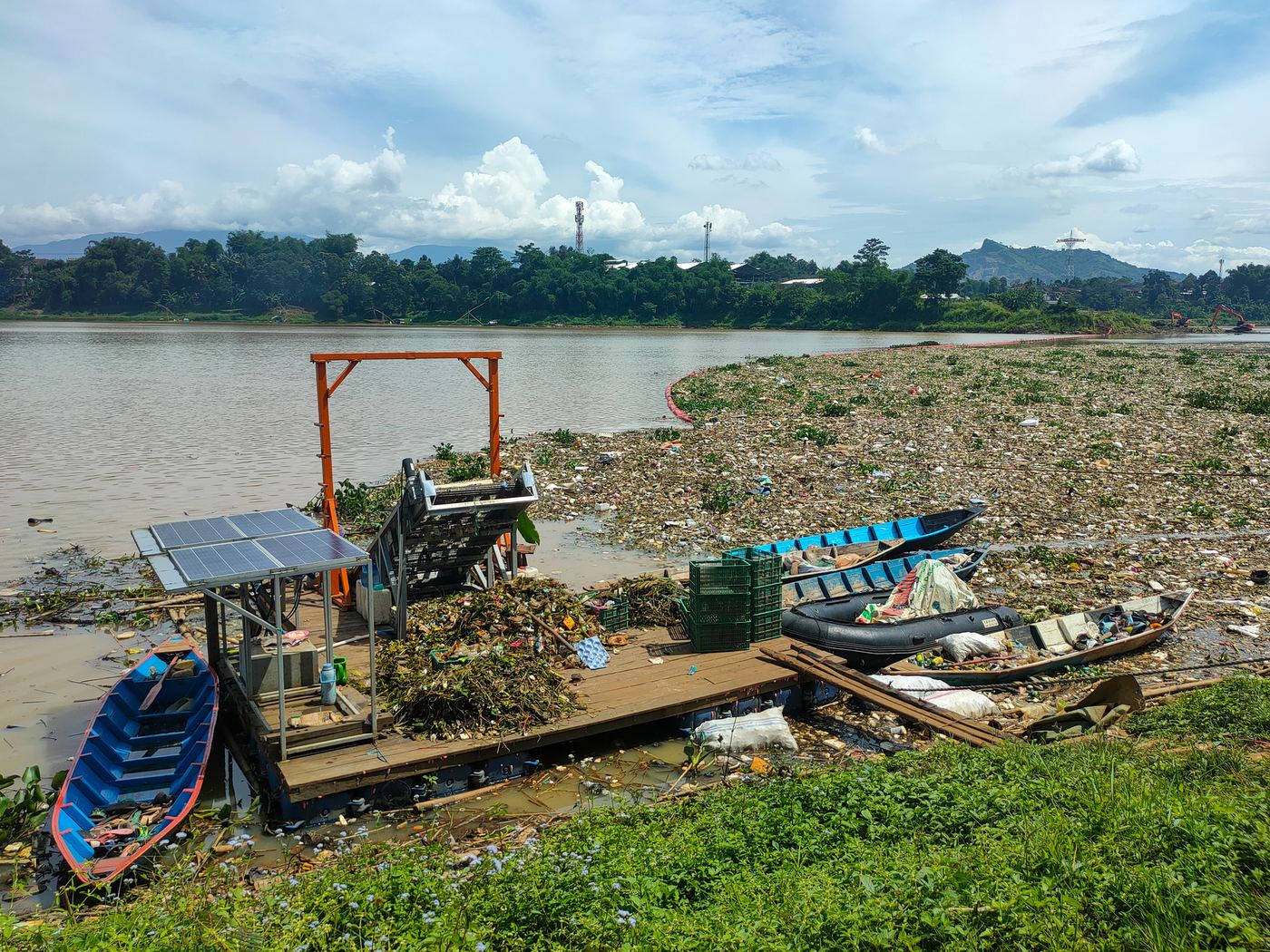
Step 1: Collection
Intercept before the sea
River and land-based systems intercept plastic before it enters marine ecosystems, with communities, municipalities, and informal waste workers.
-
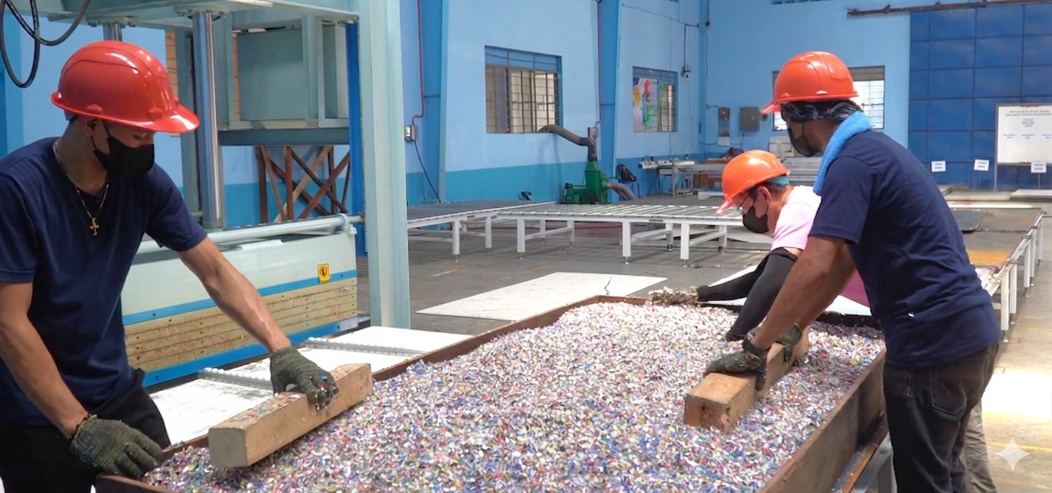
Step 2: Processing
Recycle locally
Recovered material is sorted and processed through localized recycling, strengthening circular resource management and cutting virgin-plastic dependence.
-
Step 3: Product
Build with it
Recycled plastic becomes durable boards and infrastructure applications, delivering commercial value and proof of circular manufacturing at work.
Global network, 2020 to 2025
From five pilot sites to five countries
22
deployed sites
5
countries in Asia and Africa
GHANA
Accra (3)
INDIA
Mumbai, Kerala (2), Noida (3)
INDONESIA
Citarum River, Bandung
PHILIPPINES
Manila (2), Cebu (8)
BANGLADESH
Faridpur (2)
2020–21
First pilots in India and Indonesia. Citarum operations launch in Indonesia.
2022–23
Mithi River, Mumbai. Pasig River system deployed in Manila.
2024
Expansion to Faridpur, Cebu, Kerala, Accra. Board manufacturing begins.
2025
Fastest growth phase, with scale-up across Manila and Cebu. 16 sites.
Collection impact
What we have recovered
1.34 M kg
total waste recovered in 2025
607 K kg
plastic intercepted in 2025
6.43 M kg
total waste, all years
3.15 M kg
plastic since 2021
Annual collection by year
2025 waste composition
Plastic and rubber made up 45% of the 1.34 million kg recovered in 2025. The remainder (organic matter, residue, glass) returns to local waste streams.
Climate impact
Recycling instead of burning
Where we operate, low-value plastics are often dumped or openly burned for lack of recycling infrastructure.
In the Philippines alone, an estimated 28% of plastic waste is openly burned (Goh et al., 2025). We convert low-value plastics into durable recycled boards instead of landfill, co-processing, or open burning.
- Diverts from landfill
- Reduces leakage
- Cuts air pollution
1,513 tons CO2
GHG emissions saved by recycling instead of burning or incineration
29.5% Philippines
50.5% Indonesia
of plastic waste openly burned
30–50%
lower greenhouse gas emissions than RDF and combustion
Circular manufacturing
Building recycling capacity for low-value plastic
Low-value plastics have no viable recycling route in most regions. We build the infrastructure that gives them one.
Bandung
Indonesia, est. 2024
1,900+ boards
Manila
Philippines, est. 2024
5,227+ boards, margin-positive
Cebu
Philippines, est. 2025
4,600+ boards
Accra
Ghana, est. 2025
380+ boards, PET export
12,150+
recycled boards across the network
4
board manufacturing facilities
1st
margin-positive board operation, in Manila
172 t
PET exported to Europe
The product
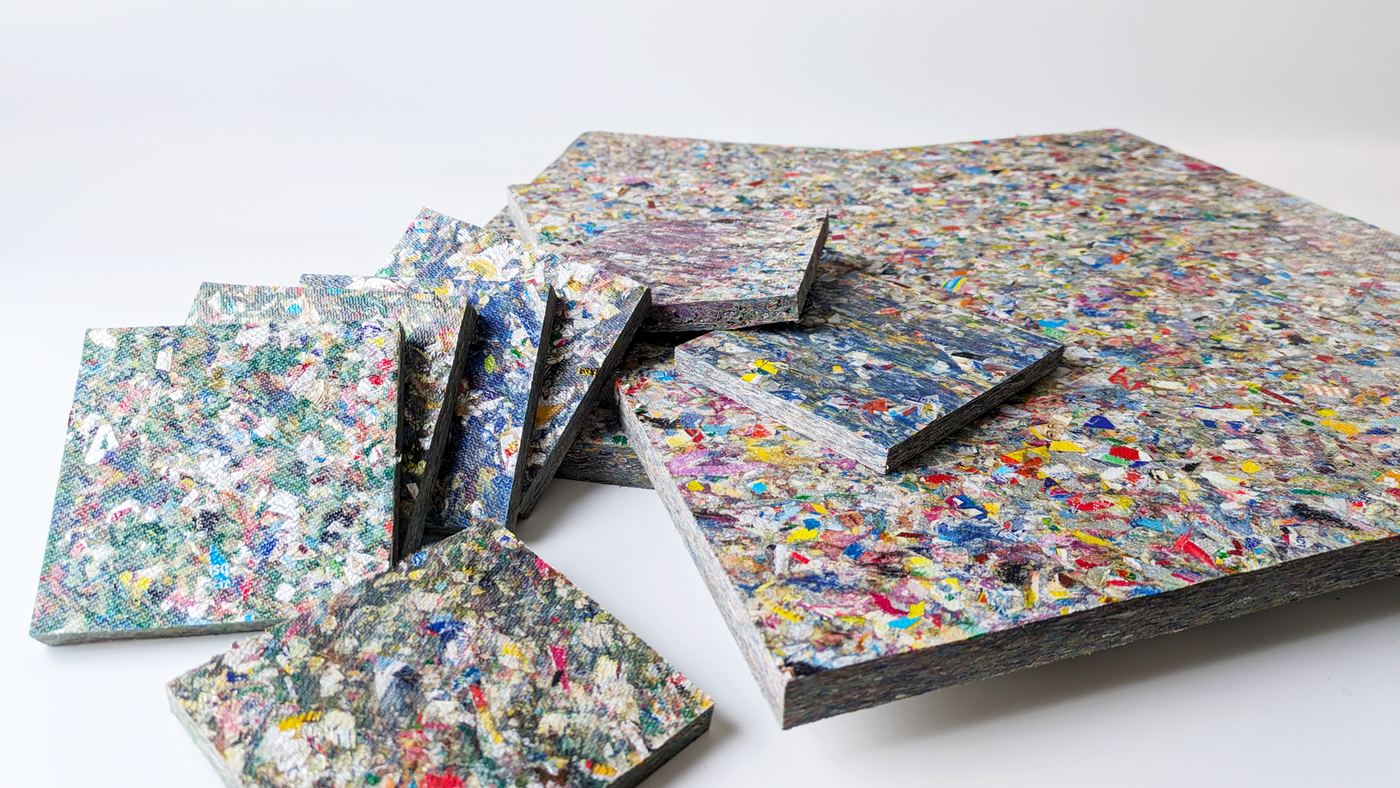
RiverRecycle Boards
Patented, recycled-plastic construction panels made from discarded low-value plastic. Durable, modular, and verified to spec.
- Three thicknesses
- Recycled feedstock
- Water-resistant
Sold out
all Philippines production
12,150+
recycled boards across the network
In use
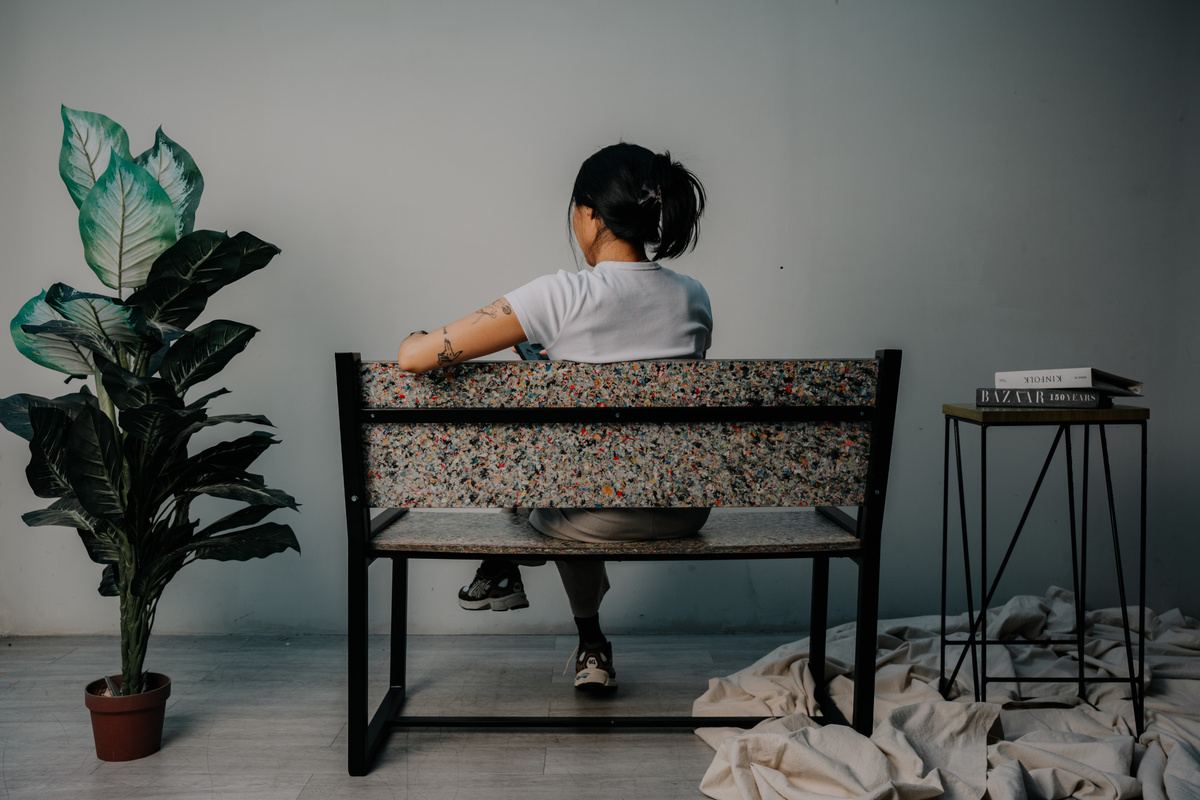
Furniture
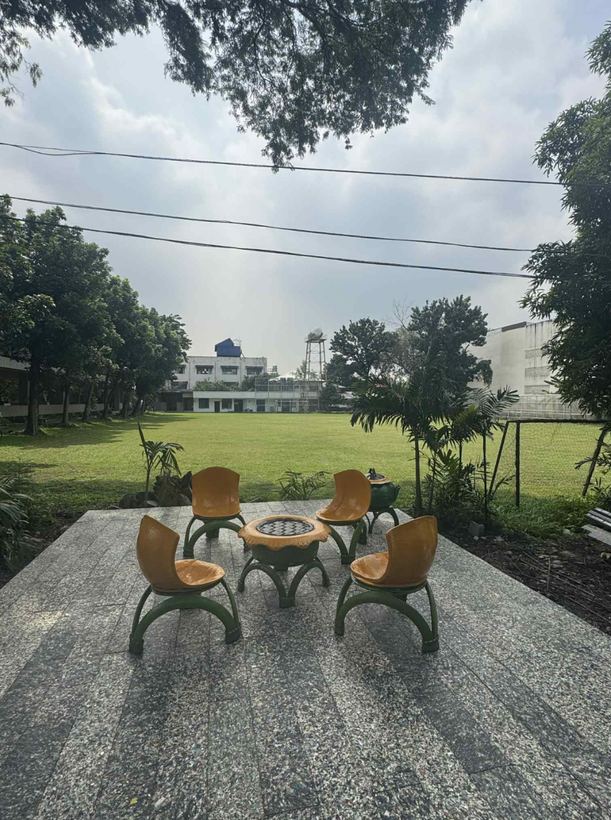
Fencing and flooring
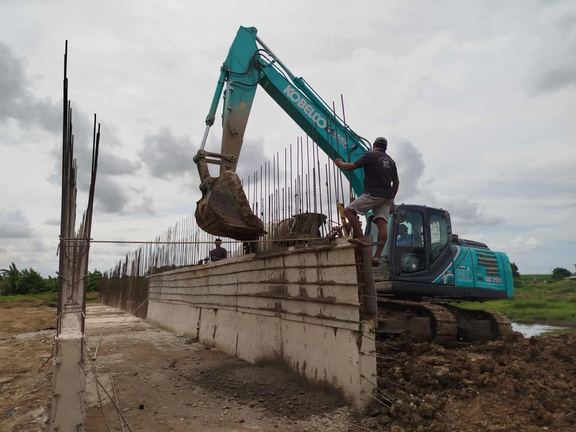
Formwork
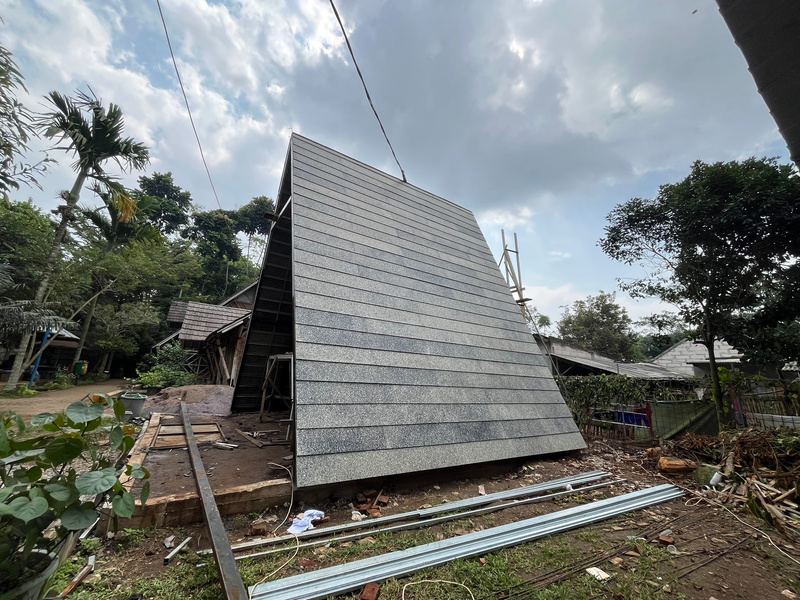
Kiosks and structures
Our people
The team behind the work
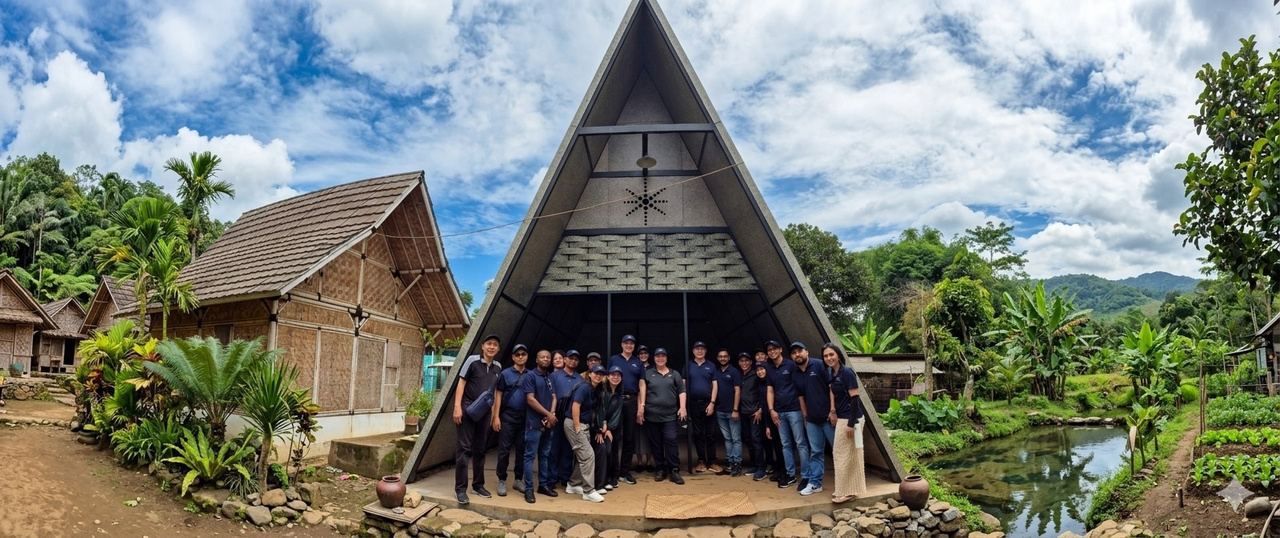
Collection crews, sorters, machine operators, and site managers across four countries: the people who keep plastic out of the water and turn it into product.
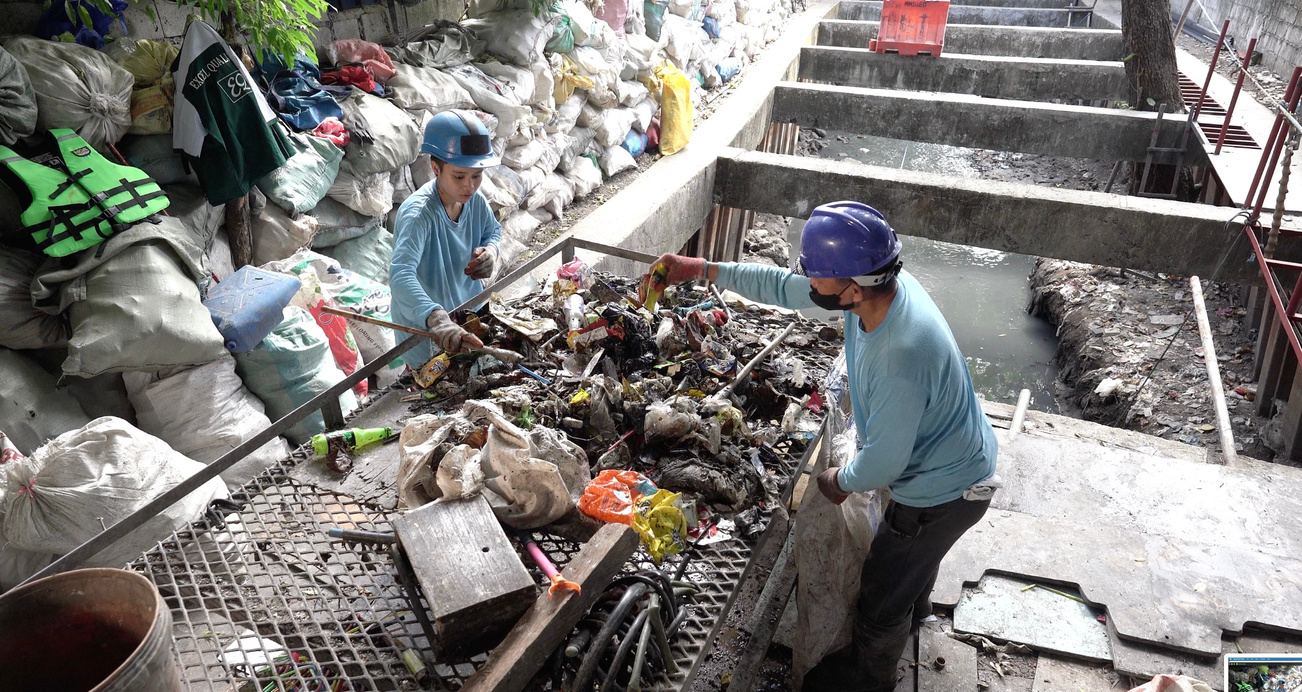
Philippines, Manila and Cebu
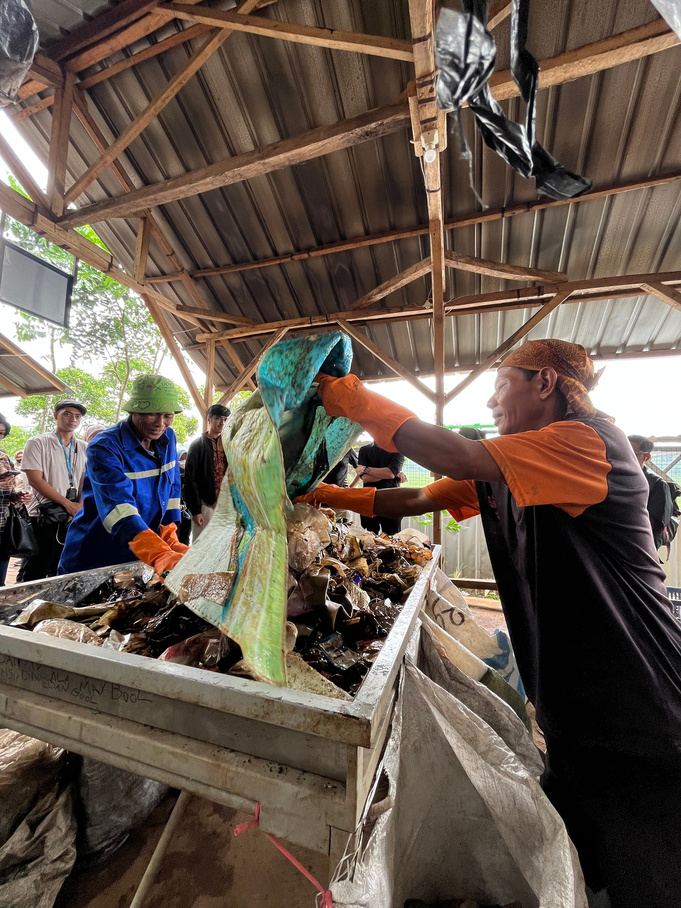
Indonesia, Bandung
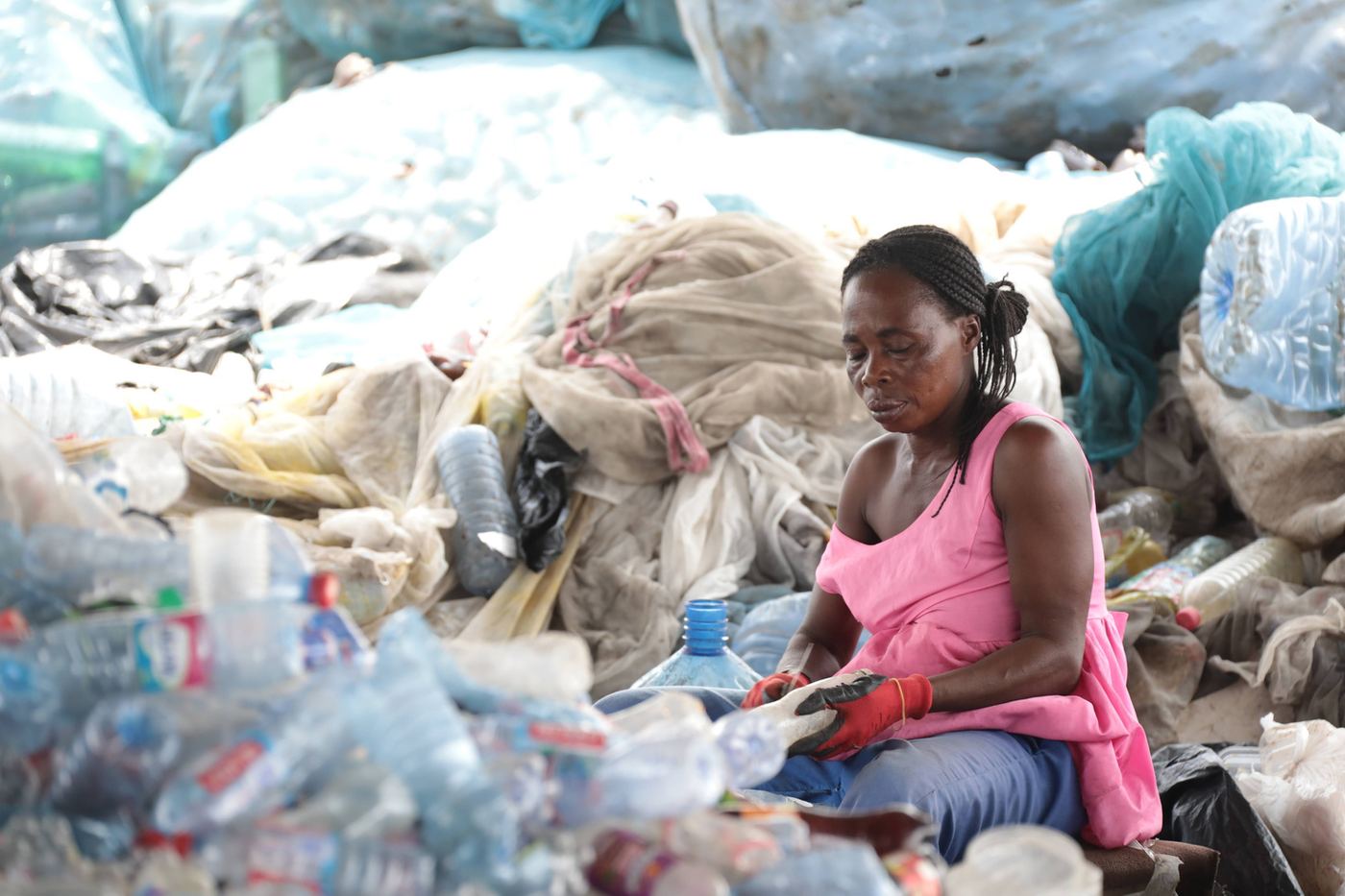
Ghana, Accra
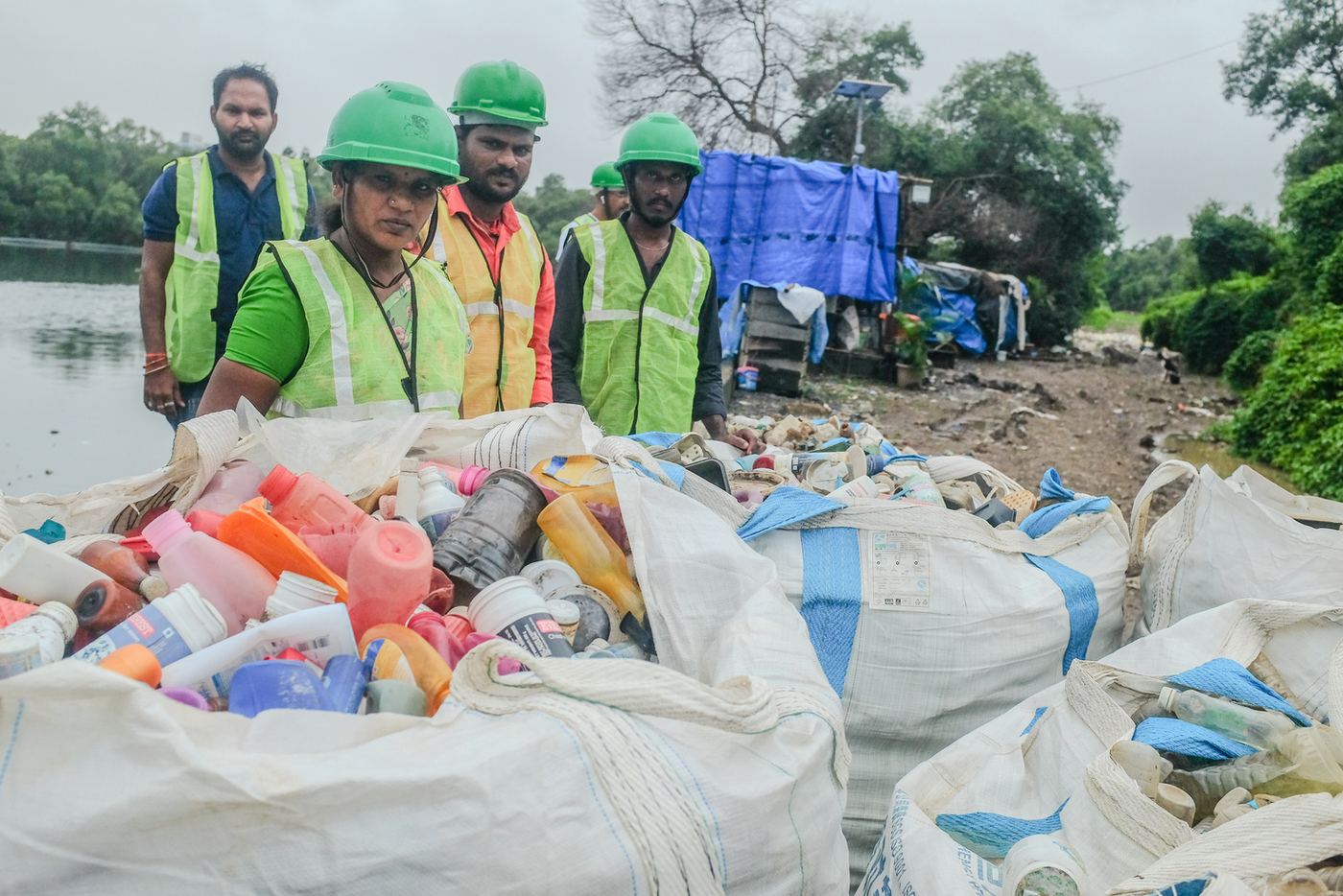
India, Mumbai and Kerala
Operations
Country programmes
PHILIPPINES
River interception at scale
The largest and fastest-growing programme in the network: cleanup, recovery, recycling, and manufacturing across multiple sites.
The Pasig system deployed in Manila in 2023, then Cebu in 2024 with seven booms. The Valenzuela facility has produced and sold more than 2,000 boards and is the first margin-positive board operation in the network. Mactan, Cebu has produced more than 1,000.
Partners and stakeholders
- ICTSI Foundation
- Prime Infra Foundation
- United Nations Conference on Trade and Development, Philippines
- Pasig River Coordinating and Management Office
- Manila City Government
- Pasig City Government
- Cebu City Government
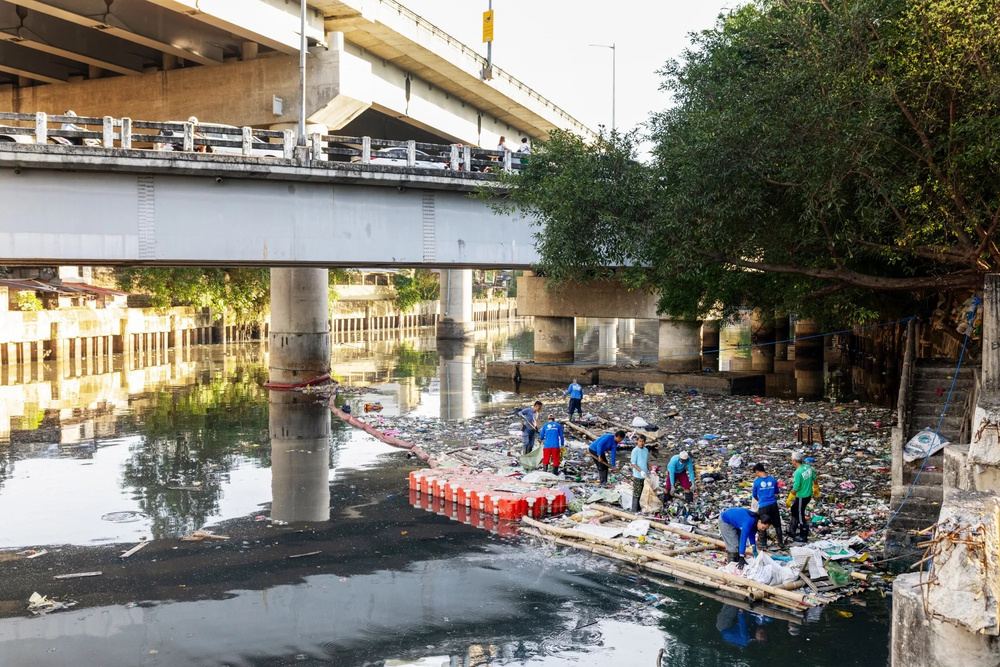
3.6 M kg
waste recovered from waterways
885 K kg
plastic recovered
28
local jobs created
9,800+
RiverRecycle Boards produced
INDONESIA
Building circular solutions along the Citarum
Operations began in December 2021 on the Citarum, one of the world's most polluted river systems.
Equipment in Bandung intercepts plastic before it moves downstream. A community recovery programme works directly with river scavengers, and a facility established in 2024 turns recovered low-value plastics into RiverRecycle Boards.
Partners and stakeholders
- West Java Province Government
- Ministry of Environment
- PT Indonesia Power
- Bening Saguling Foundation
- Balai Besar Wilayah Sungai Citarum
- Waste4Change
2+ M kg
total waste recovered
1.6 M kg
plastic recovered
20
full-time local jobs
1,900+
recycled boards produced
GHANA
Community-based recovery, from waterway to board
Ghana operations recover plastics commonly burned, dumped, or sent to landfill, and turn them into products.
Low-value mixed plastics feed board production: 383 boards across three thicknesses (June 2025 to March 2026), adopted in kiosks, fencing, flooring, and furniture. PET recovery reached about 360 t per year, with 172 t baled and exported to Europe.
Partners and stakeholders
- United Nations Conference on Trade and Development
- UK International Development / SMEP
- Ghana Standards Authority
- Federal Ministry for the Environment, Nature Conservation, Nuclear Safety and Consumer Protection / PROTEGO
- Ambitious.Africa
- Beach Cleanup Ghana
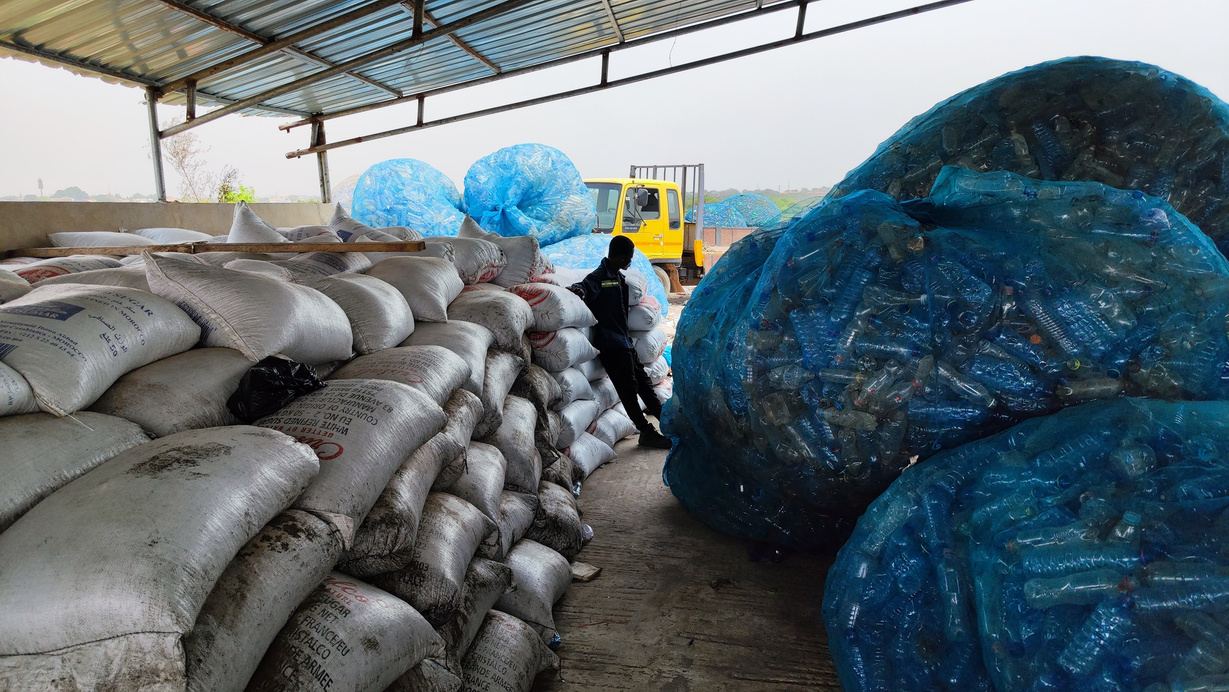
645 K kg
total waste recovered
558 K kg
plastic recovered
39
full-time local jobs
383
RiverRecycle Boards produced
INDIA
River interception and circular recycling trials
Launched in 2021 on the Mithi River, Mumbai, then expanded to Kerala and Noida.
A semi-automated collector on the Mithi removed more than 56,184 kg of waste over 66 collection efforts. In Kerala, with Greenworms and the Cochin Municipal Corporation, the programme collected more than 142,163 kg of plastic. Trials validated chemical and mechanical recycling pathways.
Partners and stakeholders
- Huhtamaki Oyj
- HCL Foundation
- Greenworms
- Brihanmumbai Municipal Corp.
- Mumbai Metropolitan Region Development Authority
- Cochin Municipal Corp.
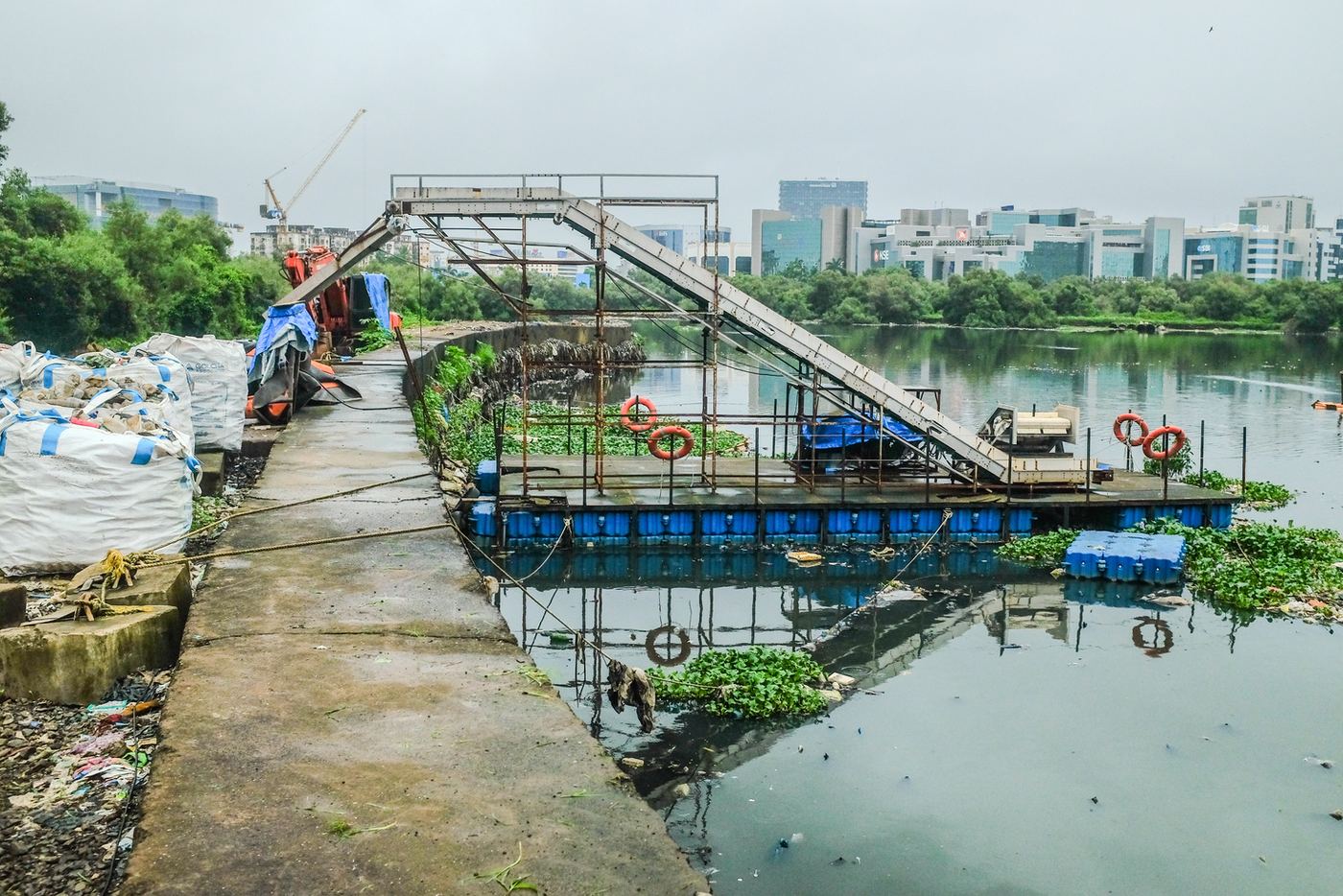
198 K kg
total waste recovered
95 K kg
plastic recovered
9
full-time local jobs
3,749 kg
river plastic sent for recycling trials
Partners and recognition
The work depends on partners
Government agencies, development finance, industry, and research institutions back the operations across four countries.

UN Development Programme
Asian Development Bank
UK International Development
Danish Development Partnership

CDC
Coca-Cola Foundation
Temasek Foundation
Huhtamaki Foundation

HCLTech
ICTSI Foundation
Prime Integrated Waste Solutions
Global Plastic Action Partnership
Clean Currents Coalition
Innovation Alliance for a Global Plastics Treaty
Benioff Ocean Science Laboratory
UN Global Compact
ESCAP Sustainable Business Network

Finnish Business Society
Indo Nordic Water Forum
RUMAH Foundation
Awards
Recognised for impact
Awards and honours from environmental authorities, juries, and industry across our operating regions.
2021
- UpLink Top InnovatorWorld Economic Forum
2022
- Plaque of RecognitionPasig River Coordinating and Management Office
- Ocean Impact Accelerator FinalistOcean Impact Organization
- Nordic Cleantech OpenFinalist, top 25 companies
2023
- Nordic Sustainability Award, SME of the YearNordic Chamber of Commerce of the Philippines
- Sustainability Act AwardKasvu Open
2024
- Best River Rejuvenator Award, Yashwant Deval3rd International River Congress (IRC-3), Sri Lanka
- Most Impactful Company of 2024ARVO ry, Finnish Association of Social Enterprises
- Potential Impact AwardMastercard Lighthouse MASSIV Program
2026
- Zero Waste to Nature AwardDepartment of Environment and Natural Resources, Philippines
- UNDP recognition, RiverRecycle PhilippinesUnited Nations Development Programme
- TEDx VaasaSpeaker, Anssi Mikola
Looking ahead
Scale what already works
The next phase grows the proven model: more interception, more recycling capacity, and more local value from low-value plastic.
-
Expand interception
Add collection sites in the highest-leakage regions across current geographies.
-
Scale board production
Build on the margin-positive Manila model across Indonesia, Cebu, and Ghana.
-
Deepen circular markets
Grow PET export and end-markets for low-value plastic to strengthen collection.
-
Inclusive employment
Formalise more livelihoods and improve gender balance across all roles.
Clean, recycle, protect.
Work with us to scale up plastic recovery and circular manufacturing.
GET IN TOUCH
- info@riverrecycle.com
- www.riverrecycle.com
- @riverrecycle on LinkedIn, Facebook, Instagram and YouTube
ANNUAL IMPACT REPORT 2025
Social impact
Inclusive work, by design
Environmental impact and social impact are connected. Our operations create inclusive work and strengthen community resilience.
We integrate informal workers into the formal recycling value chain. Existing collection networks stay in place, livelihoods strengthen, and material recovery improves.
105
jobs created
720
informal pickers engaged
56%
of the workforce aged 18–35
27%
women in the workforce, and rising